
How Nonprofits Prepare for a Government Shutdown

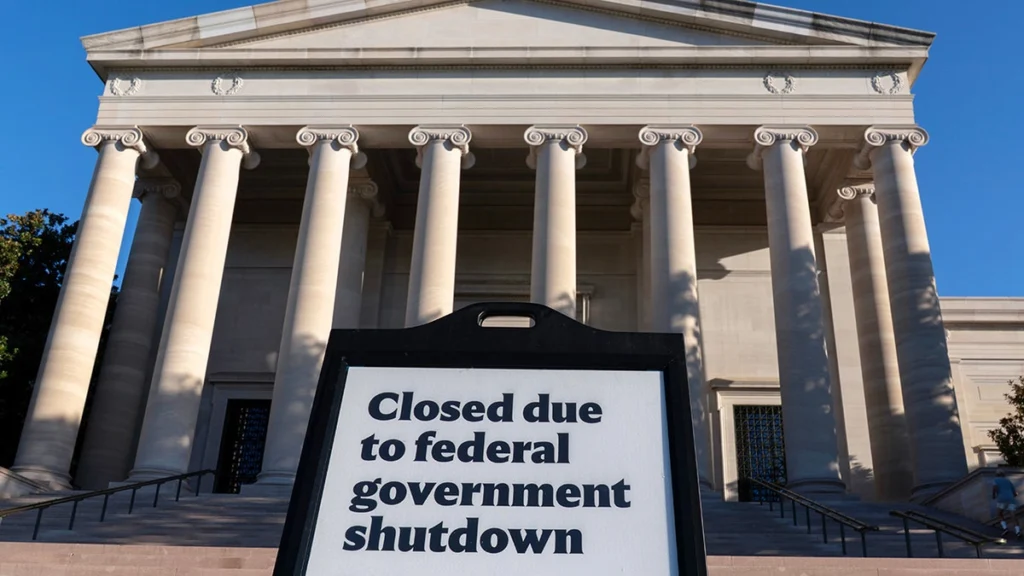
Nonprofits prepare for a government shutdown by listing every federal award and contract, estimating how many months of cash they can cover without those payments, and deciding in advance which services continue. Then they brief staff, board and funders. Rules vary by agency and by award terms, so check each agreement.
A shutdown happens when Congress has not passed funding and agencies must suspend activities that are not excepted. The U.S. Office of Personnel Management (OPM) describes a shutdown furlough as the result of "a lapse in appropriations", which can occur at the start of a fiscal year or when a continuing resolution expires without a replacement.
- Which organizations are affected by a government shutdown?
- What should you do first? Map your federal exposure
- How do you protect cash flow?
- What changes with shutdown length?
- What do you tell staff, board and funders?
- What about staff pay and furloughs?
- Nonprofit government shutdown checklist: recovery steps
- FAQ
- Sources
Which organizations are affected by a government shutdown?
Organizations affected by a shutdown fall into three groups: those that hold federal awards directly, those that receive money passed down by a state or county, and those whose clients or contracts depend on either. The Uniform Guidance, published as 2 CFR Part 200, defines an award as the agreement between a federal agency and a recipient, and a subaward as one made by a recipient to another organization to carry out part of that award.
| Type | Example | What to check |
|---|---|---|
| Direct recipient | A nonprofit holding a grant or cooperative agreement with a federal agency | Whether the payment system stays open, the date of your next drawdown, and the award's termination and closeout terms |
| Pass-through subrecipient | A nonprofit funded by a state or county agency that receives federal money | Your subaward agreement, the pass-through entity's own cash position, and whether it will keep reimbursing you |
| Indirect | A nonprofit serving clients on federal benefits, or subcontracting to a federal contractor | Which of your clients or prime contractors lose income or access, and how soon that reaches your revenue |
Pass-through organizations often assume they are shielded because their agreement is with a state. The state may still be waiting on federal funds, so ask your contact there how it plans to handle payments.
What should you do first? Map your federal exposure
The first step is a single table of every federal dollar you expect, with the date each payment is due. This is the core of any continuity plan, because every later decision depends on it. Build it in an hour from your grants ledger and fill gaps by calling your finance lead.
| Award | Agency | Payment method | Next draw date | Months of cash without it | Contact |
|---|---|---|---|---|---|
| Illustrative: community services grant | Federal agency A | Reimbursement | First of next month | 2 | Program officer |
| Illustrative: subaward for housing counseling | State agency B | Monthly invoice | 15th of next month | 4 | Grants manager |
The "months of cash" column is the one that matters. Divide your unrestricted cash and available credit by your monthly operating costs, then note how many months you could run if that award stopped paying. Your program officer's name and phone number belong in the table, since that person can tell you what your agreement says about a lapse in funding.
How do you protect cash flow?
Protecting cash flow means making money available before a shutdown starts and slowing spending that can wait. Work through these steps in order:
- Confirm your unrestricted reserve and what the board has authorized you to use.
- Ask your bank about a line of credit now; lenders move slowly once headlines break.
- Submit any pending reimbursement request or invoice early, if a shutdown looks likely.
- Pause discretionary spending such as new hires, travel and equipment purchases.
- Tell your auditor and your bank that you are watching the situation, so neither is surprised later.
What changes with shutdown length?
Your actions should change as the shutdown lasts longer, and the trigger for each step is the months-of-cash figure from your table. Set the thresholds yourself with your board, since no single cutoff fits every organization.
| Stage | What is happening | Actions |
|---|---|---|
| First week | Agencies pause non-excepted work; most organizations still have cash | Confirm which payments are delayed, send the first update to staff and board, freeze discretionary spending |
| Two to four weeks | Delayed reimbursements start to affect payroll and vendor payments | Draw on credit if needed, ask vendors for extended terms, talk to private funders about flexibility |
| More than a month | Cash runs below your threshold; services may need to scale back | Decide which programs continue, review staffing options with counsel, hold board meetings on a fixed schedule |
Pick the point at which each stage begins before the shutdown, while nobody is under pressure. If your longest federal gap is two months of cash, the third stage may begin sooner than you expect.
What do you tell staff, board and funders?
Name one person who speaks for the organization and set a fixed schedule for updates, such as every Monday and Thursday while the shutdown lasts. Staff worry about pay first, so say what you know, what you don't, and when you will know more. Board members need the months-of-cash figure and the decisions you may ask them to approve.
For private funders, the useful request is flexibility: later reporting deadlines, or permission to shift grant funds to cover a gap. Ask early and in writing. A short model message to staff:
We are watching the federal funding situation. Payroll this period is not affected. We will send an update every Monday and Thursday, and our director will answer questions at the Wednesday staff meeting.
What about staff pay and furloughs?
Furloughs and reduced hours are options, but they are employer decisions governed by state law, employment agreements and the terms of each grant. Talk to an employment attorney before you announce anything. OPM's furlough guidance applies to federal employees and work paid from yearly appropriations, not to nonprofit staff, so its back-pay rules do not carry over to your payroll.
Nonprofit government shutdown checklist: recovery steps
After funding resumes, use this checklist:
- Request every payment that was delayed, and confirm the amounts with each agency or pass-through contact.
- Document extra costs and lost days of work, since an auditor may ask for them.
- Update the exposure table and revisit your thresholds.
- Report back to the board and thank staff and funders for their patience.
FAQ
What to do to prepare for a government shutdown? Map your federal exposure, estimate months of cash without each payment, plan actions by shutdown length, and set up regular updates for staff, board and funders.
Which organizations are affected by a government shutdown? Direct federal recipients, pass-through subrecipients and organizations serving clients or contractors that depend on federal funds. The impact depends on your award terms.
Will my federal grant keep paying during a shutdown? It depends on the agency and the terms of your award. Check your agreement and ask your program officer.
Do nonprofit employees get back pay? There is no automatic rule for nonprofit employees. Back pay for federal employees is set by separate federal law, so ask an employment attorney about your own staff.
Sources
- U.S. Office of Personnel Management, Furlough Guidance.
- Electronic Code of Federal Regulations, 2 CFR Part 200 (Uniform Guidance).
- National Council of Nonprofits, government shutdown resources for nonprofits.
This guide is general information, not legal or financial advice. Check your award terms and consult your auditor or an attorney.
Keep reading