
Fellowship Nonprofit Communications: What to Ask and How to Apply

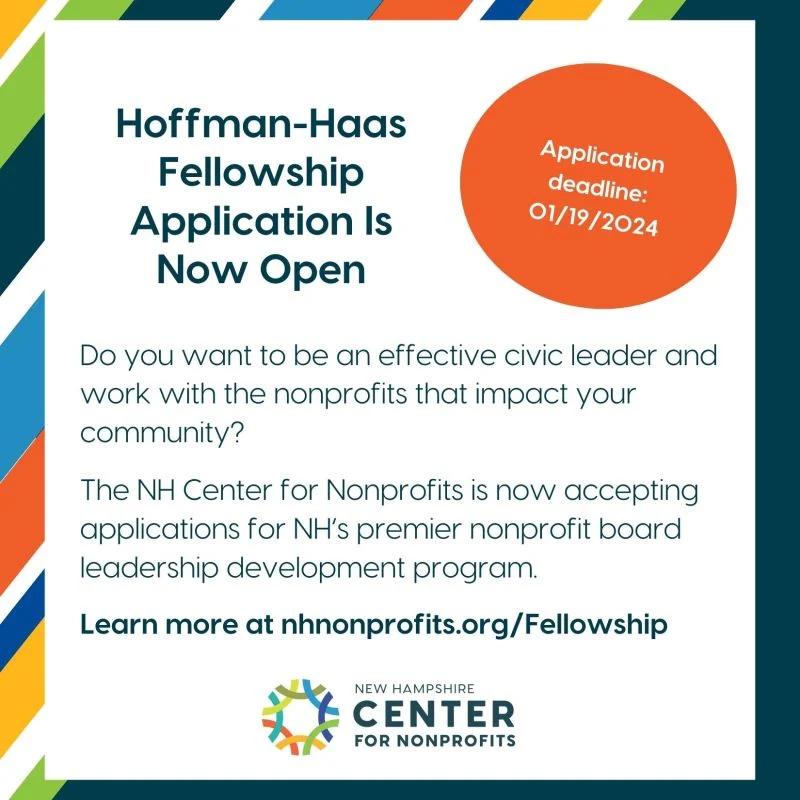
A nonprofit communications fellowship is a paid or stipend-based, time-limited role that gives a student or early-career communicator hands-on work inside a nonprofit while the organization gains communications capacity. Before applying, review the duties, supervision, deliverables, time commitment, pay and tax treatment, and prepare a focused application built around work samples.
- What a Nonprofit Communications Fellowship Is
- What Host Nonprofits Expect From a Communications Fellow
- How to Find and Vet Nonprofit Communications Fellowships
- How to Build a Strong Application, Step by Step
- Example to Study: Yoo-Jin Kang at UMBC
- Pay, Terms and Tax Facts to Check Before You Accept
- Eight-Week Application Checklist
- Frequently Asked Questions
- Sources
What a Nonprofit Communications Fellowship Is
A nonprofit communications fellowship is a fixed-term placement for a student or early-career communicator to support a nonprofit’s communications work under supervision. Duration and deliverables vary by host organization: some run a semester or summer, others last a full year, and the work may focus on writing, social media, media relations or internal communications. For a student, a nonprofit fellowship for students can bridge the gap between coursework and paid work. Unlike an internship, a fellowship often has a defined project, cohort or mentor and dedicated funding. The host nonprofit sets the schedule and the scope, so read the posting closely for the start date, weekly hours and whether the role is remote, hybrid or in person.
What Host Nonprofits Expect From a Communications Fellow
A communications fellowship at a nonprofit usually combines message consistency, content production and coordination. The host expects the fellow to protect the organization’s voice while moving work forward. Before the placement begins, ask the supervisor which channels the fellow will own and which need approval. That keeps the work manageable and reduces version churn.
- Message consistency: draft and edit materials in the organization’s voice and approved style.
- Content production: write newsletters, captions, blog posts, press releases or event pages on a regular schedule.
- Coordination: collect updates from program staff, maintain contact lists and support media or event coverage.
- Supervision and reporting: join weekly check-ins and share progress against agreed deliverables.
A fellow is not expected to set strategy alone. The communications lead or executive director should set priorities, review drafts and approve anything public-facing. These expectations appear in the posting under “responsibilities”; use them to decide which samples to send.
How to Find and Vet Nonprofit Communications Fellowships
When you find a communications fellowship at a nonprofit, vet it before you apply. Use this checklist:
- Confirm the funding source and pay: stipend, salary or unpaid, and when payments arrive.
- Confirm who supervises the fellow and how often the two meet.
- Confirm the deliverables, approximate weekly hours and whether the role is in person.
- Look for a named contact, eligibility criteria and a written deadline.
- Check whether the program lists past fellows or host organizations you can contact.
A posting that omits the pay, supervisor or deliverables should raise a question. Email the contact and ask for those details before sending materials. A real program will be able to answer in writing. Also check the posting date; roles that stay open for months may signal uncertain funding.
How to Build a Strong Application, Step by Step
A complete nonprofit communications fellowship application usually includes a personal statement, a resume, two or three work samples and two references. A complete package helps a reviewer see that you meet the core needs at a glance. Follow these steps in order.
The personal statement
Start with the problem you can solve for the host nonprofit, not with your career goals. Name one communications task the organization likely needs, then show how your coursework, volunteer work or prior job prepared you to do it. Keep the statement to one page and mirror the language of the posting. If the posting names a specific audience, say how you would reach it. Use one short example and end with the deliverables you expect to complete.
Work samples and portfolio
Choose two or three samples that show different formats: one press release or news item, one newsletter or blog post, and one social media caption or short video script. For each sample, add a one-sentence note explaining the audience, the goal and what you produced. If you have no nonprofit work yet, adapt a class project or volunteer piece. Do not send a large file or a link to an entire portfolio. Pick the pieces that match the duties in the posting, and save them as individual PDFs or links with clear titles. A reviewer should not need to search for the relevant work.
References and the hiring timeline
Confirm two references before you submit, and give them the deadline and the fellowship name. Ask references at least two weeks ahead and send the posting with your final resume. Tell each reference why you are applying and which strength you hope they can confirm. A reference who can write a short, specific reference letter about your writing or your reliability is more useful than one who only knows you in class.
Example to Study: Yoo-Jin Kang at UMBC
Public university news pages help you verify that a fellowship or student placement existed and what the host chose to highlight. The College of Arts, Humanities, and Social Sciences at UMBC describes its programs as spanning media and communication studies, economics and psychology, and it maintains a news section for faculty and student updates. When a page in that news section announces a student such as Yoo-Jin Kang, read it as a public record: it usually names the student, the program and the specific achievement. Use that record to confirm the placement, then check the host organization's current posting for duties, pay and deadlines.
A public notice rarely states pay or terms, so treat it as a verification step rather than an application template. Before citing a similar announcement in your own materials, confirm the fellowship name against the host organization's current posting and ask the coordinator for a written description of past fellows and the work they produced. The announcement can also tell you which part of the work the host considers worth recognizing, which helps you decide what to emphasize in a cover letter.
Pay, Terms and Tax Facts to Check Before You Accept
Before you accept, confirm these items in writing:
- Whether the fellowship pays a stipend, salary or nothing, and when payments arrive.
- Whether the award is taxable. IRS Publication 970 explains that scholarship and fellowship grant amounts may be tax-free only when used for qualified education expenses at an eligible institution and when the recipient is a candidate for a degree. Payments for services are taxable.
- Whether housing, travel or equipment is covered.
- Who owns the work you produce and whether you may use it in a portfolio.
Tax treatment depends on how the award is spent and on the funder’s terms, not on the job title. When the posting is unclear, ask the funder for a written award letter and check the IRS publication before you plan a budget.
Eight-Week Application Checklist
Use this eight-week timeline to avoid a last-minute application.
- Week 8: Confirm the deadline, eligibility and required documents.
- Week 7: Draft your resume and tailor it to the posting.
- Week 6: Request two references and share the posting.
- Week 5: Write the first draft of your personal statement.
- Week 4: Select two or three work samples and write one-sentence notes.
- Week 3: Ask a reader to review the full package.
- Week 2: Revise, and verify links, file names and contact details.
- Week 1: Send the application at least five days before the deadline and confirm receipt.
Keep the timeline in a shared calendar or a simple checklist. If the deadline is less than eight weeks away, compress the first six steps into the time you have and protect the final review week. Book a 30-minute review with someone who reads clearly, and schedule the send in the morning of Week 1 so you have time to fix a broken link.
Frequently Asked Questions
What is a fellowship in nonprofit communications?
A fixed-term placement where a student or early-career communicator supports a nonprofit’s communications work under supervision.
Do nonprofit communications fellowships pay?
It depends; some pay a stipend or salary, some are unpaid, so confirm payment in writing before accepting.
What should I include in a nonprofit communications fellowship application?
A personal statement, resume, two to three work samples and two references.
How is a fellowship different from an internship?
A fellowship usually has a defined project, cohort or mentor and dedicated funding, while an internship is broader.
Are these fellowships only for students?
Many are student-focused, but some accept recent graduates; check the eligibility section of each posting.
Scope note: This page provides general information, not legal, tax, or employment advice. Confirm the funder’s terms and check IRS Publication 970 before accepting an award.
Sources
- UMBC College of Arts, Humanities, and Social Sciences, news and program pages
- IRS Publication 970, Tax Benefits for Education
Keep reading