
Nonprofit Media Relations Tips: Working With Reporters

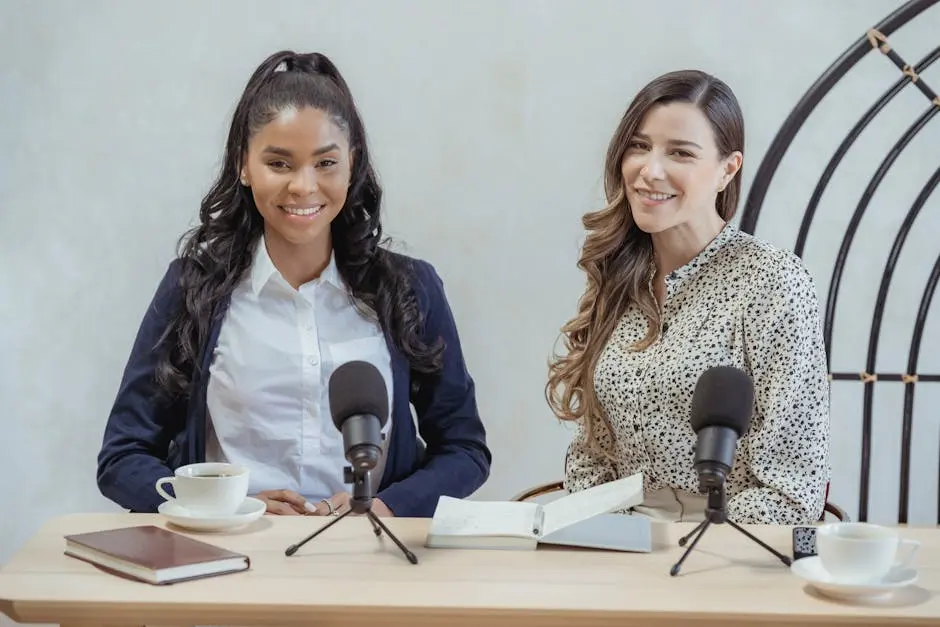
Working with reporters starts with a story about people, not your organization. Name one spokesperson, keep a one-page media kit ready, learn each reporter's beat before you pitch, answer quickly and briefly, and follow up once. Reporters work on deadline, so being easy to reach and accurate matters more than polish.
Media relations for nonprofits is mostly routine: a few documents prepared in advance and one person who picks up the phone.
- What Do Reporters Want From a Nonprofit?
- How Do You Find a Story Worth Pitching?
- Who Should Be Your Spokesperson?
- What Goes in a Nonprofit Media Kit?
- How Do You Write a Press Release Reporters Will Read?
- How Do You Pitch a Reporter by Email?
- How Do You Prepare for an Interview?
- How Do You Know Whether It Worked?
- FAQ
- Sources
What Do Reporters Want From a Nonprofit?
Reporters want a clear story, a real person to talk to, facts they can check and an answer before their deadline. They are not looking for a promotional message, and most can tell the difference within a sentence or two.
The Society of Professional Journalists opens its code of ethics with the principle "Seek Truth and Report It." That principle explains most reporter behavior you will notice:
- A story with people in it. A family, a volunteer or a client (with permission) carries a story; a program description does not.
- Speed. A reporter on deadline may need an answer within hours, not days.
- Plain language. Skip acronyms and grant vocabulary. If a neighbor would not follow the sentence, rewrite it.
- Checkable facts. Dates, locations, names and figures with a source behind them.
How Do You Find a Story Worth Pitching?
A story worth pitching is a change, a person or a problem that a specific local audience would care about this week. Your annual report is not a story; something that happened in it may be.
- Look for the local angle. A reporter covering your county wants to know what is happening to people in that county. Lead with the place.
- Find the person. Ask a client, volunteer or staff member whether they would be willing to talk, and confirm they are comfortable being named. Never push.
- Tie it to the news. If a council vote, a season or a recent report already has coverage, explain how your work shows the human side of it.
- Check the timing. Add a date reporters can use: an event, a launch, a deadline for applications.
If the organization has an unresolved board dispute or financial question, settle it first: a reporter who calls about a good story may ask about the bad one.
Who Should Be Your Spokesperson?
Your spokesperson should be one named person, usually the executive director or the communications lead, with a trained backup. Reporters waste no time on organizations where nobody can say who is allowed to speak.
Put the arrangement on one page, a short media policy:
- the spokesperson and the backup, with mobile numbers;
- who approves statements on sensitive topics, such as the board chair;
- what staff and volunteers should do when a reporter calls them directly (take a name and number, pass it along, do not improvise);
- a list of experts inside the organization, such as a program director or a clinician, who can speak on specific subjects with the spokesperson's agreement.
Share the page with staff and the board once a year, and again whenever someone leaves.
What Goes in a Nonprofit Media Kit?
A nonprofit media kit is a short folder of facts, bios and contacts that saves reporters from searching your website for background. It can be a single page on your site or a PDF, and it should open with the story you are pitching.
| Element | What it includes | Length |
|---|---|---|
| Boilerplate | Who you are, whom you serve, where, since when | 50–100 words |
| Fact sheet | Programs, number of people served (with year and source), budget range, locations | 1 page |
| Spokesperson bios | Name, title, area of expertise, photo with permission | 3–4 lines each |
| Frequently asked questions | Short answers to questions reporters ask most often, including how you are funded | 1 page |
| Photos | A few high-resolution images, with written permission and caption details | 3–5 images |
| Contact | Direct phone and email for the spokesperson and backup | 2–3 lines |
Update the kit every quarter. An out-of-date figure in a media kit is the fastest way to lose a reporter's trust.
How Do You Write a Press Release Reporters Will Read?
A press release should give the news in the first paragraph and leave a reporter able to write a story from it. Use it for formal announcements such as a new program, a major gift or an event with a date.
- Headline: the news in one line, in plain words.
- Lead paragraph: who, what, when, where and why it matters, in two sentences.
- Quote: one sentence from your spokesperson that adds an opinion or a human detail, not a restatement of the facts.
- Details: two or three facts with sources, plus how to take part or attend.
- Boilerplate and contact: the short description from your kit and a phone number that will be answered.
Example, not a real organization:
Riverbend Food Pantry opens Saturday hours as demand rises RIVERBEND, March 4 — Riverbend Food Pantry will open every Saturday from 9 a.m. to noon starting March 15 at 210 Mill Street, giving working families a weekend option for the first time. "Many of our neighbors cannot get here on a weekday shift," said Dana Ortiz, executive director. "Saturday hours mean they do not have to choose between work and groceries." About Riverbend Food Pantry: a volunteer-run nonprofit serving households in Riverbend County. Contact: Dana Ortiz, 555-0100, [email protected].
How Do You Pitch a Reporter by Email?
To pitch a nonprofit story to reporters, send a short email to one named reporter, with one angle, one person available to talk and a reason the story fits their beat. Read their recent work first so you can reference it honestly.
Keep the subject line specific and the body to about 100 words:
Subject: Local pantry adds Saturday hours for shift workers Hi Jordan, I read your piece last week on grocery prices in the county. A related story: Riverbend Food Pantry opens on Saturdays starting March 15, the first weekend hours it has offered, because many clients work weekday shifts. Dana Ortiz, the executive director, and a client who has agreed to talk about it are both available Thursday or Friday. I can send a one-page fact sheet and photos you may use. Would a short call this week be useful? Thank you, [Name, title, phone]
If you hear nothing, send one follow-up two or three days later, in two lines, offering something new such as a date or an additional source. After that, move on. If a story is under embargo, state the release date in the first line of the email.
How Do You Prepare for an Interview?
Prepare two or three key messages, practice short answers and agree on what happens after the interview. Twenty minutes the day before is enough to start.
- Key messages: write the two or three points you want to leave with, each in one sentence with one example.
- Short answers: answer the question, add one fact, stop. Silence is not your problem to fill.
- "No comment" versus "I'll find out": if you do not know, say you will find out and then call back before the deadline. "No comment" sounds like hiding something.
- Off the record and on background: agree on the terms before you say anything. "On background" usually means the reporter may use the information without naming you; "off the record" means it is not to be used at all. Rules vary by outlet and by reporter, so the safest approach is to treat everything as quotable.
- Corrections: if something is wrong, ask for a correction and send the right fact in writing. The SPJ code tells journalists to "Acknowledge mistakes" and correct them promptly, so a polite request is normal.
How Do You Know Whether It Worked?
Coverage you earn without paying for it, known as earned media, is only one result. Count the stories that ran, but also note visits to your site from the article and new volunteer or donor inquiries that mention it.
FAQ
How do you pitch a nonprofit story to a reporter? Send a short email to one reporter, with one angle, one person available to talk and a single follow-up a few days later.
Who should speak to the media for a nonprofit? One trained spokesperson and a backup, both named in a short media policy that the board and staff have seen.
What is a media kit? A short folder of facts, bios and contacts that saves a reporter time and keeps your numbers consistent.
Should a nonprofit send a press release or a pitch? Send a pitch to a named reporter when you have a story; use a release for formal announcements with a date.
What does "off the record" mean? It means the reporter agreed, before you spoke, not to quote or attribute what you say. Rules vary by outlet, so assume everything is quotable.
Informational only, not legal or financial advice. Public statements can affect funder agreements and legal obligations; check with your attorney or your funding agency.
Sources
- Society of Professional Journalists, Code of Ethics (linked above).
Keep reading